I used to think staying productive meant working nonstop and taking breaks only when everything was finished. But the more ignoring the rest, the harder it became to focus or even enjoy the work I was doing. The average knowledge worker spends over 7 hours a day in front of screens, often without real breaks, and our brains aren’t built for that kind of constant digital overload. It can lead to mental fatigue, shorter attention spans, and even eye strain without us realizing it. Once I started treating breaks as part of productivity, I felt more focused, energized, and less burned out. In this blog, I’ll share a few simple ways that helped me balance work and rest in a healthier way.
Desk Stretch Sequence
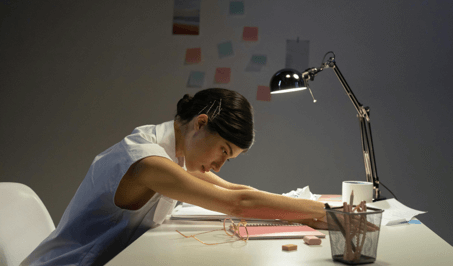
I used to sit for hours without realizing how much tension was building up in my neck, shoulders, and wrists until it started affecting my focus. Now, instead of pushing through that discomfort, I pause for a few minutes and move my body. I’ll roll my neck slowly in both directions, roll my shoulders back and forward, and stretch out my wrists with my fingers spread wide. I also like doing a seated twist while holding the back of my chair, just to loosen up my spine after long periods of sitting.
By the end, I usually lean forward and let my arms hang down, which helps release that tightness in my lower back. It’s a small sequence, but it makes a surprisingly big difference.
Breathing Window
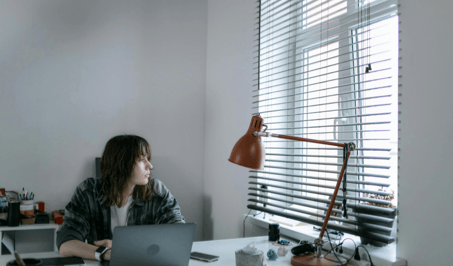
I started doing this on days when my brain felt completely overloaded, especially after staring at my laptop for too long. Instead of immediately grabbing my phone or scrolling during a break, I’d spend five minutes standing near a window and looking outside while taking slow, deep breaths.
One breathing technique that helped me the most is the “4-7-8” method: inhale for 4 counts, hold for 7, and exhale for 8. Giving my attention to both my breathing and the small details around me creates a calm, almost meditative pause in the middle of a busy day. Whenever I come back to work afterward, I usually feel calmer and much more focused than before.
Walking Meeting
One small habit that surprisingly helped me feel less drained during the day was turning some meetings or phone calls into walking conversations. Sitting through back-to-back meetings at a desk used to leave me mentally exhausted, so I started taking short walks during one-on-one conversations whenever possible.
Walking side-by-side, whether outside or even through an office hallway, makes conversations feel more natural and less formal. I noticed people opened up more, ideas flowed easier, and problem-solving felt less forced compared to sitting across from each other in a meeting room. Even when working remotely, I found that taking phone calls while walking around my neighborhood or pacing around my room helped me stay more focused and energized.

Doodling Session
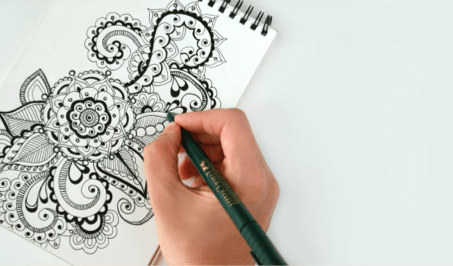
I like keeping a sketchpad nearby for doodling breaks throughout the day. When I start sketching, even without any plan, it helps me process what I’ve been working on and often sparks new ideas. I don’t worry at all about whether it looks good. That’s not the point. It’s more about letting my mind wander while my hand moves.
It feels almost like giving my brain a different channel to work through things. While my analytical side takes a break, new connections tend to show up quietly in the background.
Making Breaks a Consistent Habit
The real challenge for me wasn’t understanding that breaks matter it was remembering to take them once I got deep into work. When I’m focused, I tend to lose track of time and only notice I’m drained when my energy is already gone.
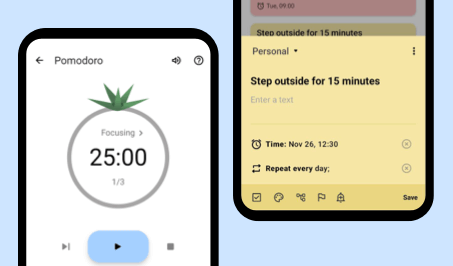
This is exactly where a simple structure can make a difference. With Planndu you can turn breaks into something that’s naturally built into your workflow instead of something you have to remember. Reminders throughout the day can nudge you to step away from the screen before mental fatigue builds up, not after.
You can also use Planndu’s Pomodoro focus timer to create a rhythm between focused work sessions and short breaks. It takes away the constant decision of when should I stop and helping me to work with deeper concentration.
Creating a balance between work and break is essential for maintaining our motivation levels throughout the day and ensuring overall well-being in both body and mind! So, take a break, recharge, and return to work feeling refreshed and energized!