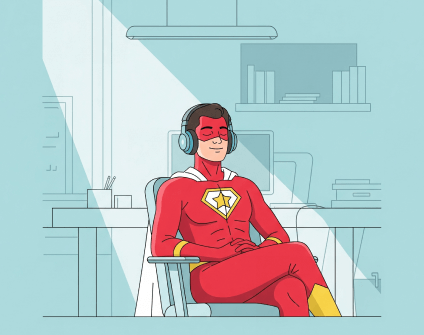
In these days staying focused feels like a rare superpower. Attention drifts, even simple tasks start to feel harder than they should, and the phone is always within reach.
The good news is that your brain already has the tools to concentrate deeply. You just need a few simple shifts to activate them. This guide combines a proven work methods and easy tricks that cut through distractions and make your days easier. Ready to find your focus superpower?
Why Focus Breaks Down (and Why We Procrastinate)
Procrastination is the habit of delaying tasks even when we know they’re important. It usually happens when a task feels overwhelming, unclear, or not enjoyable, so we avoid it by doing something easier or more comfortable instead. The reasons tend to fall into a few patterns:
- Fear of the unknown - When a task feels new or uncertain, the brain instinctively resists.
- No clear direction - When you don’t know why you’re doing something, motivation evaporates.
- Perfectionism - You hold back on starting because you’re afraid the result won’t be good enough.
- Low energy - When you’re burnt out or under-slept, everything feels harder.
On top of that, our environment works against us. Most of us move through the day on autopilot, guided by notifications and screens. The fix has two parts: a structure that makes starting easy, and an environment that stops stealing your attention.
Protect Your Attention
These tweaks help you keep going by removing the things designed to pull you away.
1. Hide Yourself on Video Calls
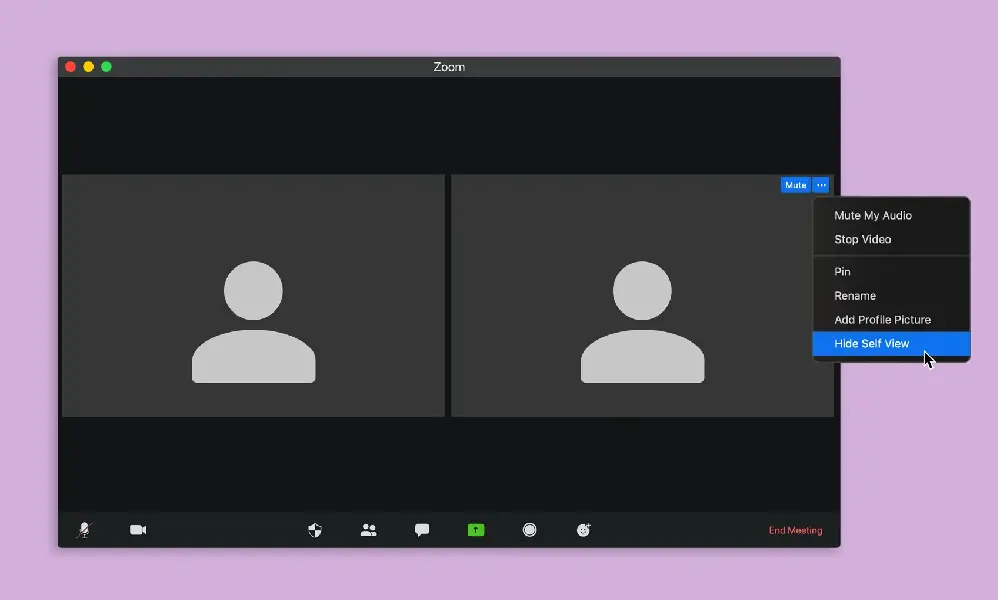
That little window showing your own face during video calls is more distracting than you realize. When you keep looking at yourself, your brain starts worrying about how you look instead of following the conversation. This split attention makes meetings tiring and stressful. Most video apps let you hide your self-view. Turn it off and you’ll stop overthinking your appearance, concentrate better on what others are saying, and leave calls feeling less drained.
Busy or messy backgrounds steal focus too. When there’s a lot going on behind someone on screen, your brain tries to process it all without you noticing. A blurred background hides clutter and movement, so turn it on if your app offers it, especially if your space is busy.
2. Switch Your Phone to Grayscale
Ever notice how your phone seems impossible to put down? That’s no coincidence. Bright red notification dots, colorful app icons, and glowing screens are all designed to grab your attention and keep you scrolling. They trigger small hits of dopamine, your brain’s reward chemical, which makes it hard to look away.
The fix is simple: strip out the color. Your phone instantly becomes less exciting, and that’s a good thing. You’ll check apps like Instagram or TikTok less often because they just don’t look as appealing. It’s especially helpful if you open your phone without thinking, like when you grab it out of habit while watching TV or waiting in line, or when you need to stay focused during work or study time.
How to turn on grayscale:
- iPhone: Settings → Accessibility → Display & Text Size → Color Filters → Grayscale
- Android: Settings → Digital Wellbeing → Wind Down → Grayscale

3. Turn Your Lock Screen Into a Coach
You probably check your phone dozens of times a day. Instead of a pretty picture, use that moment to keep yourself on track. Set your lock screen to a simple reminder like “No Twitter Until 4pm” or “Break = Walk, Not Scroll.”
Seeing that message right before you unlock your phone works as a quick prompt to pause: do I really want to spend this time on social media, or should I do something else? Pick one habit you want to improve, put a clear reminder on your lock screen, and watch those small moments add up. You’ll feel more in control of your time and less pulled into mindless scrolling.
4. Leave Gaps Between Meetings
Back-to-back video calls are exhausting because you jump from one topic to the next with no time to reset. If you can, schedule meetings for 25 or 50 minutes instead of 30 or 60. Those few spare minutes give you time to breathe, grab water, and clear your head before the next conversation.
When a call doesn’t need your face on screen, suggest an audio only call or a walking call. It’s a simple way to cut screen time and feel less drained.
5. Match Tasks to Your Energy
Most people have a time of day when their mind is sharpest. Notice yours for a week or two, then plan around it:
- High-energy hours: Save them for deep work like writing, planning, or problem-solving.
- Low-energy hours: Use them for routine tasks like email, admin, and quick replies.

6. Close the Extra Tabs
Every open tab is a small invitation to switch tasks. Keep only what you need for the task at hand and close or bookmark the rest. Turn off non essential notifications, and check email and chat at set times (say, three or four times a day) instead of the moment they arrive. Constant task-switching makes everything take longer and leaves you more tired at the end of the day.
7. Switch to 40Hz Binaural Beats
Lo-fi beats are nice for background tasks, but when you need serious focus, like writing, analyzing, or problem-solving, 40Hz binaural beats can really help. They play slightly different tones in each ear, which guides your brain into a calm, focused state.
Search for 40Hz binaural beats and let them play during work that requires real brainpower. They pair well with a Pomodoro session: press start on both and settle in. Use headphones, not speakers, so the effect works properly.
Common mistakes to avoid:
- Don’t multitask while listening. Focus on one deep task for the best results.
- Avoid low-quality videos that don’t clearly state “40Hz” in the title or description.
- Skip binaural beats if you’re feeling anxious or overstimulated. Choose more relaxing options like alpha or theta beats instead.

8. Say What’s Pulling You Off Track
It might feel awkward at first, but putting your distractions or emotions into words helps you stay in control. Simply saying, “I really want to check Instagram right now,” gives your brain a moment to pause. Instead of automatically reaching for your phone, you create space to finish your task or take a quick walk.
This works because naming what you’re feeling, even with a single word like “bored,” “anxious,” or “restless,” calms the emotional part of your brain and activates the part that handles focus and decision-making. It shifts you from reacting on autopilot to responding with intention.
Next time you’re distracted, name it. Say it quietly to yourself or write it down, then ask, “What do I want to do instead?” You’ll be surprised how much more in control you feel.
9. Read Your Writing Out Loud
Want to catch more mistakes? Read your words out loud. When you hear your own voice, your brain processes the information differently than when you read silently, so awkward sentences, confusing ideas, and grammar errors become easier to spot.
If you’re writing an email or social post and something sounds “off” when you say it, it needs tweaking. Maybe it’s too long, unclear, or unnatural. Reading aloud gives you instant feedback your eyes alone might ignore.
10. Use the Pomodoro Technique
The Pomodoro technique is a simple way to deal with procrastination. You break work into short sessions with short breaks in between. You decide in advance how long you’ll work, and during that time you focus only on what’s in front of you.
Procrastination also tends to show up right at the beginning, when starting feels hardest. A timer gives you a push past that resistance, and once you’ve begun, even for a short session, it’s much easier to keep going.
Here’s a simple way to begin:
- Run one 25-minute Pomodoro on the task you’ve been avoiding.
- Switch your phone to grayscale and set a lock-screen reminder.
- Next time you feel the urge to scroll, name it out loud.
Without structure, tasks expand in your mind and start to feel like they’ll take forever. You end up avoiding them or switching between things without finishing anything. A simple limit like 25 or 30 minutes changes that. You’re not committing to the whole task, just a short period of effort. The Pomodoro technique gives you the structure you need to be more focused and productive.

Our time and attention get shaped by default settings that don’t support how we actually want to live or work. But small, intentional changes, like muting distractions or rethinking how and when you use certain apps, can shift everything. Each step is a reminder that you’re in control, choosing what truly deserves your focus.
Challenge for the day: pick at least one technique from this guide and try it today.Your focus superpower is already there, you just need to switch it on.