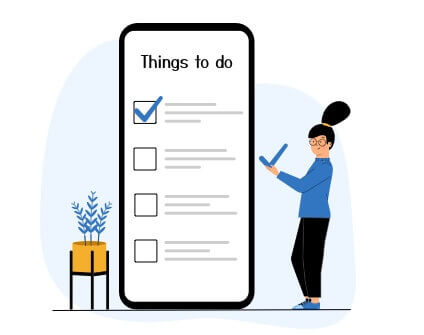
When I discovered the power of task management, it completely changed how I approach my days. I’ve started with simple tools like to-do lists and sticky notes and it helped but the real breakthrough came when I realized I need a method that truly fit me. But the real breakthrough didn’t come from finding a better app or a fancier notebook. It came from something more uncomfortable: realizing that the method I was using didn’t actually fit me.
That’s the thing nobody tells you upfront. Productivity systems aren’t one-size-fits-all. What works brilliantly for the person who color-codes their entire week might feel like a straitjacket to someone who thinks in bursts and sprints. Everyone’s workflow is different, and experimenting with how you organize your checklist can make all the difference. So let’s dig into some practical, honest ways to make your to-do lists actually work for you.
Prioritize Your Tasks
I used to wonder why my days felt so full yet strangely unproductive. I was busy constantly. Emails answered, small tasks cleared, meetings attended. But at the end of the day, I’d look back and struggle to name one thing that had genuinely moved the needle.
Then I read a statistic that stopped me cold: the average employee spends 41% of their workday on tasks that don’t actually move anything forward. Forty-one percent. That’s nearly half your day gone to things that feel productive but aren’t. When I read that, it hit me hard. I wasn’t lazy. I wasn’t disorganized in the obvious sense. I was simply letting the wrong things steal my attention and my to-do list was letting it happen.
The fix isn’t complicated, but it does require a bit of honesty with yourself. Not every task on your list deserves equal treatment. Some things are genuinely important. Others are just there, filling space, giving you the illusion of productivity when you check them off.
Now I place my most important tasks at the very top of my list, marked clearly with a priority label, even just a simple “must do today” tag is enough. This tiny habit forces a daily moment of reckoning: what actually matters here? It protects the work that moves things forward and makes it harder to hide behind busywork. Give it a week and you’ll be surprised how much clearer your days feel.
Schedule What’s Important
Here’s a mistake I made for years: I treated my to-do list like a suggestion box. Nice ideas but no real commitment. I’d write “work on the report” or “follow up with the client” and leave it sitting there, floating timelessly in the theoretical list. Because when everything lives in a list with no time attached to it, everything feels both urgent and optional at the same time. A paralysing combination.
The shift that changed things for me was learning to schedule tasks the same way I schedule meetings. If something matters, it gets a time slot. Not “I’ll get to it sometime on Thursday” but Thursday, 10am, one hour, this specific task, nothing else. At first, it felt almost too rigid. Too structured. Like I was being managed by my own calendar.
But then something unexpected happened. I stopped carrying the whole day in my head. When a task has a time, your brain can let go of it until that time arrives. The mental overhead, that low-level anxiety of “I should be doing something else right now” quietly disappears. You’re not making decisions about what to work on in real time; you already made them. And that’s a powerful thing.
Start small. Pick two or three of your most important tasks each day and block actual time for them. Treat those blocks like you’d treat a meeting with someone else, because in a sense, you’re keeping a commitment with yourself.
Keep It Short
A checklist should be a quick guide, not a wall of obligations that drains you just by looking at it. I know the appeal of the long list. It feels thorough. Responsible. Like you’ve thought of everything. But a 25-item to-do list isn’t a productivity tool, it’s a source of ambient dread. You end the day having crossed off eight things and still feel like you failed, because seventeen remain.
When I started limiting my daily list to a handful of real tasks, something shifted. Progress became visible. Checking something off felt like an actual win. This clicked for me in a concrete way when I was planning a weekend trip. My instinct was to write one massive checklist: pack clothes, book accommodation, plan meals, sort transport, research activities, confirm reservations.. It was overwhelming before I’d even started. So I broke it up. One list for packing. One for travel logistics. One for reservations and bookings. Each mini-checklist was short enough to finish in a sitting, and the whole trip came together without the stress of staring at a single intimidating document.
The same principle applies to your work week. If your list is long, it’s not a sign that you’re organised, it might be a sign that you need to break things down further, defer more aggressively, or simply be honest about what’s actually getting done today versus what’s just wishful thinking in list form.
By the end of the day, I’ve learned that checklists help me close the day knowing that nothing important slipped. And in today’s digital world, managing tasks doesn’t have to be messy or stressful. Platforms like Planndu can help organize tasks, set reminders, and keep everything in one place so you can focus on what matters. That feeling of finishing work and genuinely being done is worth more than any system’s promises. It takes a bit of honest self-reflection to get there. Some experimentation. Some willingness to abandon approaches that feel productive but aren’t.
But once you find what fits, you’ll wonder how you managed without it.