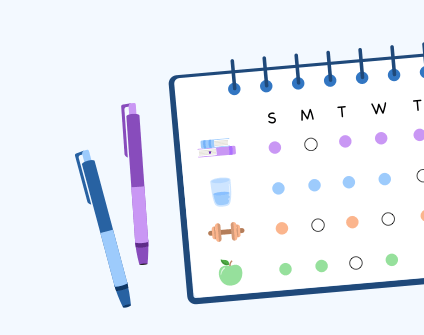
Our habits quietly shape who we become, even when we don’t really notice it happening. I’ve realized that most of the things I do every day aren’t the result of constant decision-making, but patterns I’ve repeated so often they’ve started to run on autopilot. The tricky part is that forming those patterns is never as easy as we expect.
There’s a popular idea called the 21/90 rule, which suggests it takes 21 days to build a habit and around 90 days to make it part of your lifestyle. In reality, it often takes longer, depending on the person and the habit itself, but the idea still says something important about consistency and time.
A ritual of starting
Before jumping into new habits, I’ve found it really helpful to create a small ritual that signals to my mind that it’s time to begin. It usually works better when it comes from something you genuinely care about. When a habit is connected to even a simple sense of interest or purpose, it becomes easier to start without forcing it.
What I’ve noticed is that these small beginnings create momentum. Once you start with something manageable, it naturally becomes easier to move into the next step, and then the next. Over time, the act of starting itself feels less like a struggle and more like a familiar rhythm you can return to.
Establish your routine
After you’ve decided on a habit, the next step is to integrate it into your daily routine. I’ve found it helpful to write these habits down somewhere visible, whether that’s on paper or in an app, and then treat them as small checkpoints in my day.
Of course, building a new routine isn’t always smooth. There will be days when you forget a task or lose focus. That used to make me feel like I was starting over, but I’ve realized that’s not how habits work. Missing a day doesn’t erase your progress. What matters is how quickly you return. No one builds a routine perfectly, and the process is always a mix of progress, pauses, and returning again.
Make associations
One thing that has made building habits much easier for me is learning to connect them to things I already do without thinking. Instead of trying to create something completely new from scratch, I attach a new habit to an existing part of my day. This idea comes from BJ Fogg and his Tiny Habits approach, and it really changed how I think about behavior change. By anchoring a new action to something already automatic, you remove the need to constantly remember or find the right moment to start, which makes consistency feel much more natural.
For example, instead of saying “I will start journaling every day,” it becomes “After I finish my morning coffee, I will write one short note.” That small connection makes the habit feel much more natural and easier to stick with.
Automate your habits
When a habit only exists in your mind, it’s easy for it to slip away during a busy day. But when you set a reminder, it becomes part of your environment. Luckily using apps like Planndu makes this process really simple. You can quickly write down a habit and turn it into a repeating reminder, choosing how often you want it to show up. It removes the need to constantly think about when or whether you should do something, because the reminder does that work for you. Over time, those reminders help turn intentions into consistent actions.

Celebrate your Success
I’ve found that celebrating your habits, even in simple ways, helps reinforce the behavior and makes you want to repeat it. A small reward after completing a task or sticking to a routine can make a real difference. What matters most is that the reward feels natural to you, something that means something instead of feeling forced or artificial.
Over time, these small moments of recognition create a positive connection with your habits. Instead of seeing them as something you have to do, they start to feel like something that supports you. That shift alone can make it much easier to stay motivated and continue building momentum.

Behavior is not something that changes overnight. What matters most is staying consistent long enough for the behavior to feel natural. Some days will feel easy, and others won’t, but both are part of the process. Trust the process, take small steps, and give your habits enough time to become part of your routine. That’s where real change happens.