“I just don’t have time for hobbies.”
Sound familiar? It’s one of the most common things busy people say and believe. But what if the problem isn’t time… it’s the definition of a hobby?
We’ve been sold a very specific image of what a hobby is supposed to look like: oil painting in a sunlit studio, maybe, or learning the violin with the kind of patience and free time that feels almost fictional right now. It’s a romantic picture, but it’s also a bit of a trap. That narrow definition quietly convinces a lot of people that if they can’t do the full version of something then it doesn’t count. So they don’t start. Or they start, feel like they’re doing it wrong, and quietly stop.
But it’s 2026 and the modern hobby is smarter, smaller, and way more flexible.
Rethinking Hobbies for a Busy Life
Hobbies don’t need to be time-consuming to be meaningful. In fact, a micro-hobby: something you can do in short bursts can improve mental health, reduce stress, and even spark creativity for your main work. Modern hobbies are flexible, bite-sized, and low-pressure. They can be digital or physical, and they’re meant to be enjoyable for their own sake, not for productivity points. Most importantly, they can slide easily between work, family, and life responsibilities.
Hobbies don’t have to demand hours you don’t have. A micro-hobby is something you can return to in ten-minute windows between meetings or after the kids are in bed, that can quietly do a lot of heavy lifting: easing stress, resetting your focus, and even spark creativity that your “productive” hours never would. The best part? Modern hobbies have shed the pressure to be impressive or time-intensive. They can be digital or physical, solitary or shared, and they don’t owe anyone a finished product.
Here’s what hobbies do that your to-do list never will:
- They create identity beyond work. You’re not just a job title or a parent, you’re someone who explores, makes, moves, and dreams.
- They reduce burnout. Even five minutes of something joyful can reset your brain.
- They improve focus. Stepping away often helps you return stronger.
- They give micro-mastery. That little win? It matters especially in a world that often feels overwhelming.

Modern Micro-Hobbies for the Balanced Lifestyle
Forget the well-meaning advice to “just take up knitting” or learn watercolour painting from scratch. The hobbies worth your limited time and energy right now are the ones that meet you where you actually are, digitally connected, perpetually busy, and maybe a little skeptical that anything new will actually stick.
Casual Video Editing
You probably already have hundreds of videos sitting in your camera roll, forgotten the moment after you recorded them. Short-form video editing, trimming clips, dropping in a soundtrack, playing with a transition or two is a surprisingly low-lift way to make something that actually feels finished. Apps like InShot make it accessible without a learning curve, and the whole thing can take less time than an episode of whatever you’re half-watching anyway. It’s creative, it’s oddly satisfying, and it puts your phone to work making something instead of just consuming it.
Mini Home Café Barista
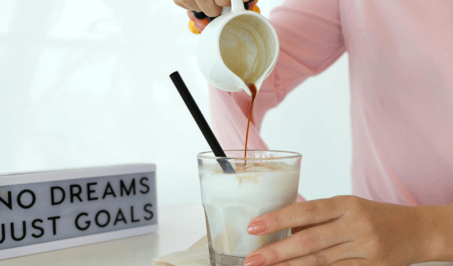
If you’re already making coffee or tea every morning, you’re closer to a genuinely satisfying micro-hobby than you think. Dialing in a matcha recipe, learning to froth oat milk properly, or attempting latte art for the fifth time until it actually resembles a leaf, there’s something quietly grounding about it. It smells good, and it gives you a small, completable win before your day has really started.
Mindful Lego Building or Miniatures
There’s something quietly compelling about working with your hands on something small and unhurried. Miniature modelling, whether that’s scale models, tiny figures, or intricate dioramas that pulls your attention into a narrow, manageable world for a while, which turns out to be exactly what an overstimulated brain needs. All you need is focus, a little patience, and the occasional deeply satisfying click of a piece fitting exactly where it should.
Silent Walks with a Twist
Try taking a 10-minute walk wihtout headphones, just walk. Notice how many shades of green are actually out there, or how many birds you can hear before your brain starts drafting your to-do list again. It sounds almost embarrassingly simple, but that’s exactly the point. We’ve become so conditioned to fill every idle moment with input that doing nothing more than paying attention to the world around you starts to feel almost radical.
Language Duels
Instead of committing to full-on language learning like courses, apps, streaks, try something smaller. One word a day. Ordering your next coffee in halting, slightly embarrassing Spanish. Small is sustainable in a way that ambitious rarely is.

Mini Book Club (Even if it’s Just You)
Five pages a day. One quote jotted in the margin, or the notes app, or the back of an envelope, it doesn’t matter where. That’s a reading habit. You don’t need a cleared Sunday afternoon or a dedicated reading chair or the full, uninterrupted hour that never actually arrives to call yourself a reader. You just need to start, and to keep the bar low enough that stopping feels harder than continuing.
Voice Notes Diary
If journaling has always felt like homework, this one might finally be your version of it. Instead of staring down a blank page, you just hit record, one minute, stream of consciousness, no editing required. Do it after a hard meeting, on a walk, or right before bed. Come back six months later and you’ll have something surprisingly moving: your own voice, narrating a life in progress.
Home Sound Design
This one sounds niche until you try it. Layering ambient noise, experimenting with simple beats, or building a soundscape that actually helps you focus or wind down, it taps into something most people don’t know they have. You don’t need expensive equipment or music theory. You need a phone, a pair of headphones, and about twenty minutes of curiosity. The fact that it might improve your focus sessions is almost a bonus.
Fitness in 5
Five minutes. That’s genuinely all this asks. A stretch, a short dance to a song you’ve been embarrassed to admit you like, or a quick bodyweight circuit before your next call. The goal isn’t a six-pack, just reminding your body that it exists outside of a desk chair.

Digital Declutter Challenges
There’s something quietly satisfying about tidying the thing you stare at most. Reorganize your home screen, archive the apps you haven’t opened since 2025, or work through one cluttered email folder. It’s not glamorous, but neither is the low-grade anxiety of digital mess, and unlike most productivity advice, this one actually takes less than ten minutes.
Moodboard Making
Pinterest and Canva get dismissed as procrastination tools, and honestly, sometimes they are. But building a moodboard for a dream home, or a trip you may or may not ever take, a colour palette that just feels right, is a surprisingly legitimate creative outlet. You’re not wasting time. You’re practising the underrated skill of knowing what you actually like, which turns out to be harder than it sounds.

Mini Documentary Nights
Swap your usual scroll for a single 10-20 minute documentary and you’ll be amazed how differently your brain feels afterward. YouTube is full of them: deep sea jellyfish, the hidden logic of urban design, the surprisingly fascinating journey of how a pencil gets made. You might just come away knowing something genuinely interesting. That’s a better return than most of what’s in your feed.
So How Do You Make Time for This?
You don’t need more hours in the day. You just need better moments inside the ones you already have. A ten-minute moodboard session. A mini doc before bed. A simple todo list that doesn’t stress you out every time you unlock your phone. Small things, but they add up to something that looks a lot like a life you actually enjoy.
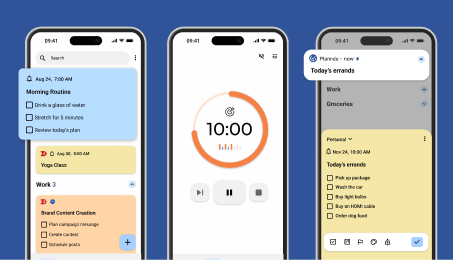
That’s the gap Planndu exists to close. Not by adding another system to manage, but by helping you build a life where the small, restorative moments aren’t constantly losing out to the urgent ones. Better planning shouldn’t just make you more productive. It should make the whole thing feel more worth it.
🕒 Pomodoro Timer for Focused Bursts
Fifteen minutes is enough. Launch a focused session for whatever hobby you’ve been putting off, sketching, playlist-building, learning three chords and let the Pomodoro do what willpower usually can’t: keep the distractions out long enough for momentum to take over. You might be surprised how much you can settle into something when you’ve given yourself permission to stop after fifteen minutes.
🔁 Repeat Reminders for Habit Building
Want to dance every Friday at 5 PM? Journal every Sunday morning before the week swallows you whole? Set it once and let Planndu hold that intention for you. Recurring reminders are a small thing, but they do something important, they turn “I keep meaning to” into something that actually shows up in your week.
🎨 Color Coding for Visual Flow
Assign a colour to your hobby blocks, something bright, something that stands out against the meetings and the deadlines. It sounds minor until you open your planner and actually see it: proof that your day belongs to more than just your obligations. A schedule that looks like you is one you’re far more likely to follow.
Our time is precious. But your creativity, curiosity, and joy are just as essential as productivity. Micro-hobbies aren’t extra. They’re the quiet rebellion against burnout.