
Before the study year begins and you face the pressure of exams and assignments, it’s worth exploring different study techniques that can make you much more efficient.
I used some of these methods back when I was a student, others, I only wish I’d found sooner. Here is a collection of practical study systems, techniques, and tips to help you excel with minimal effort.
Question-first studying: Turn reading into a search
Instead of opening a chapter and reading from beginning to end, start by creating questions. Look at the requirements and turn them into questions. “Causes of the French Revolution” becomes “What were the three major causes?” A section called “Cellular respiration” becomes “What happens during each stage, and why?” Then read the material while looking for answers.
It gives your reading a purpose .You are looking for information that answers specific questions. The questions can also become your revision material later. Hide the answers and try to answer them from memory.
I particularly like this method for subjects with large amounts of reading because it prevents a common problem: spending an hour highlighting a chapter and discovering afterward that you cannot remember what you read.

GTD: Get everything out of your head
GTD, or Getting Things Done, is a productivity system developed by David Allen. Its main idea is that your brain is not a reliable place to store all your tasks. The GTD system helps solve this problem by moving all your thoughts into an external system.
It’s built around five steps: capture, clarify, organize, review, and engage.
- Capture: Collect anything that requires your attention and put it somewhere outside your head. Including tasks, ideas, commitments, information, and things you want to remember.
- Clarify: Process each captured item and determine exactly what it means and whether it requires action.
- Organize: Put clarified items into the appropriate places in your system so you know where to find them later.
- Review: Regularly look through your system to make sure it is accurate, current, and complete.
- Engage: Use your trusted system to decide what to do at any given moment.
GTD does not tell you to blindly follow a task list. Instead, you consider factors such as your available time, energy, context, priorities, and deadlines, then choose an appropriate action.

Pomodoro: Make studying easier to start
Pomodoro is probably one of the most famous study techniques. The basic idea is to work for a focused period, take a short break, and repeat.
The classic version uses 25 minutes of work followed by a five minute break, with a longer break after several rounds. I used to think the main benefit was time management. For me, the bigger benefit is psychological. Twenty five minutes of studying feels manageable. “I have to study all evening” feels exhausting before I even begin.
When I have been avoiding a difficult assignment, I tell myself that I only need to work on it for one Pomodoro. Do not treat the 25 minute number as a law of nature. If 40 minutes works better for you, use 40. The important thing is focused work followed by a genuine break.
During the work period, remove obvious distractions. During the break, actually rest. Checking social media for five minutes can easily become twenty five minutes. Pomodoro is most useful when your problem is starting, procrastinating, or losing concentration.

Sticky notes: Put learning where you cannot ignore it
One of my favorite study tricks is also one of the least sophisticated. I write concepts on small pieces of paper and put them somewhere I regularly look. The point is to create repeated encounters with the information.
Suppose I keep forgetting the meaning of a particular psychology term. Instead of telling myself that I will memorize it during my next study session, I put the word on the mirror. I see it while brushing my teeth. Later, I try to remember the definition without looking. The next morning, I test myself again.
This method works best for little pieces of information. Move the notes regularly. If the same note stays on your fridge for three months, it becomes wallpaper. Once you know something well, remove it and replace it with something difficult.

Error logs: Study your mistakes, not just the syllabus
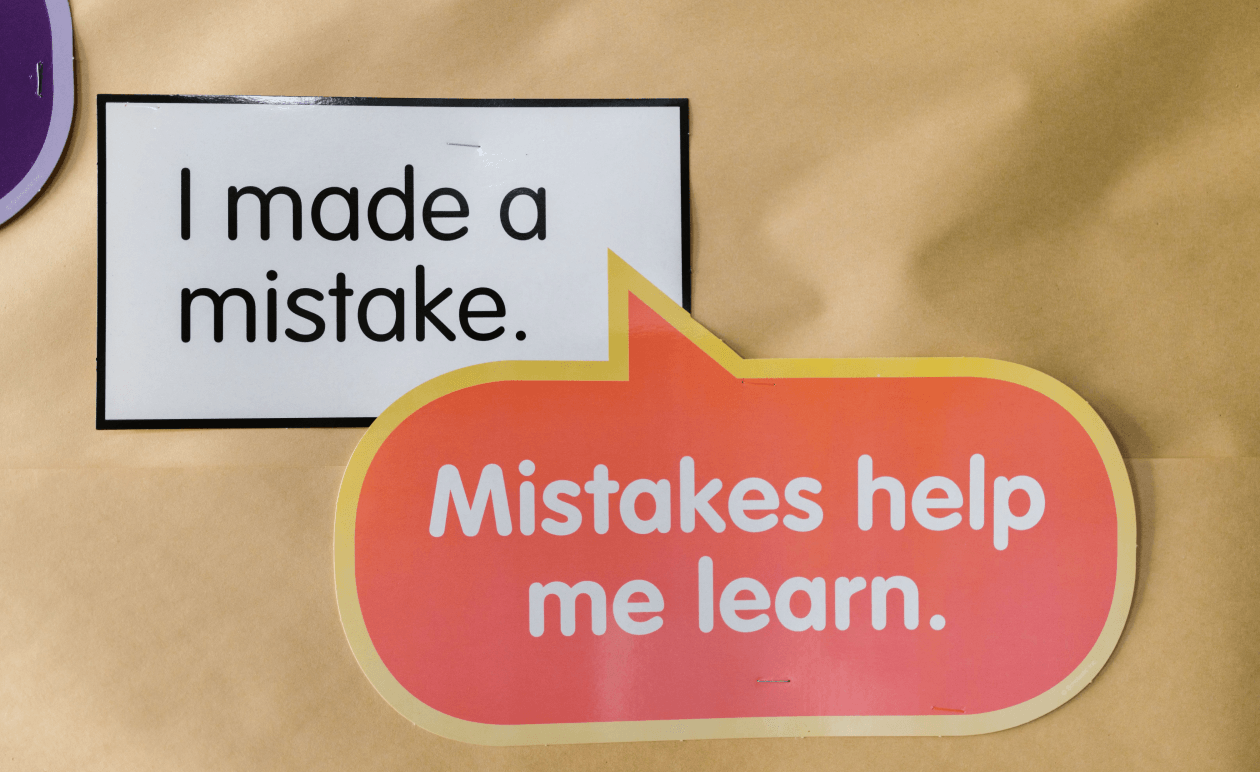
Most students keep track of what they are supposed to know. A more interesting approach is to keep track of what they repeatedly get wrong. Every time you make a mistake, record it.
Write down three things: what you answered, what the correct answer was, and why your answer was wrong. After a while, patterns start to appear. Perhaps you regularly forget a particular formula. Maybe you understand the theory but misread questions.
An error log is useful because mistakes are often more informative than correct answers. Getting something right tells you that one particular attempt worked. Getting something wrong can reveal a weakness in your reasoning.
Kanban: Make your work visible
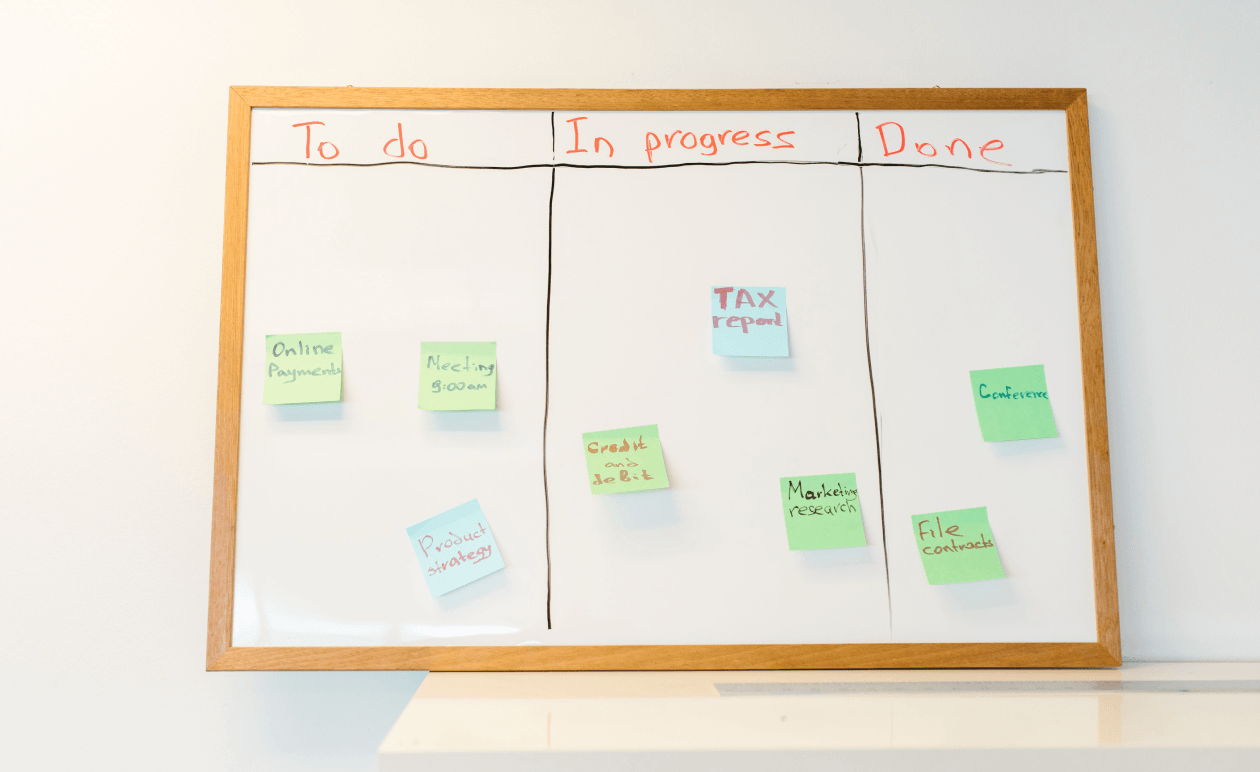
Kanban comes from workflow management, but you do not need a complicated office system to use it for studying. Create three columns: To Do, Doing, and Done, then put your study tasks into the columns.
The useful part is seeing everything visually. When your To Do column is huge, you can immediately see why you feel overwhelmed. When your Done column starts filling up, you get visible evidence that you are making progress.
I like Kanban because it also prevents me from starting ten things at once. If there are already several tasks in Doing, I know I should probably finish one before opening another textbook.
You can make a physical board with paper or use a digital one. Keep the tasks small enough to finish. “Study physics” is too large. “Complete questions 1 to 8” is much better.
The Feynman Technique: Explain it in your own words
The Feynman technique is one of the best ways to discover that you do not understand something as well as you thought. Choose a topic and explain it in very simple language, as if you were teaching it to someone who knows nothing about it.
I often notice gaps in my knowledge this way. I might read several pages about a scientific concept and think, “Yes, that makes sense.” Then I try to explain it without looking at the book and discover that my explanation becomes vague after the second sentence.
When you get stuck, return to your notes, find the missing piece, and try explaining it again. This technique is helpul for subjects where understanding matters more than memorization.

The two-pass method: Learn the map before the details
Sometimes studying becomes difficult because you are trying to understand details before you understand where they belong. The two-pass method solves this by separating orientation from deep study.
During the first pass, move quickly. Read the headings, introduction, conclusion, diagrams, key terms, and summaries. Your goal is building a rough map of the subject. Then take a break or move to something else.
During the second pass, return to the material and study it properly. Because you already know the general structure, individual facts have somewhere to attach themselves.
Imagine learning a complicated biological process. On the first pass, you might simply learn that there are several stages and understand the overall sequence. On the second, you study what happens inside each stage and why.
This is particularly useful when a textbook chapter feels overwhelming. Instead of trying to understand a large wall of information at once, you first figure out what the wall is made of.

Try one or two approaches and pay attention to what helps you understand, remember, and start your work with less resistance. Some techniques will fit certain subjects better than others, and your system will probably change as your workload changes. The most effective study method is the one you can use consistently without making your life revolve around productivity.